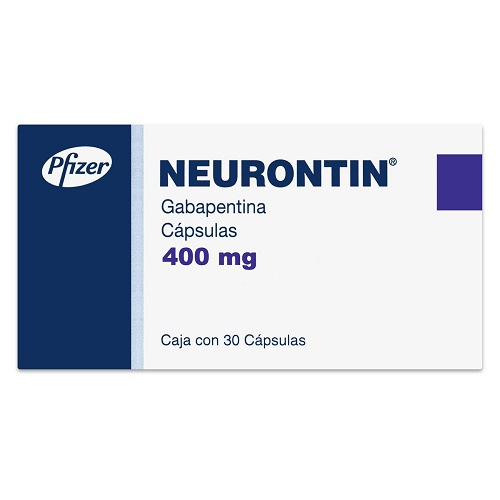
Buy Neurontin Online in the United States – Fast US Delivery
Medical Disclaimer: This article is for informational purposes only and is not a substitute for professional medical advice, diagnosis, or treatment. Use of any medication, including Neurontin (gabapentin), should only occur after consultation with a licensed healthcare provider. Self-medication can put your health and life at risk.
Neurontin (Gabapentin) for Neuropathic Pain: The Most Comprehensive United States Guide
Quick Answer: Can You Get Neurontin Without a Prescription in the United States?
No, Neurontin (gabapentin) cannot be legally purchased, obtained, or used in the United States without a valid prescription from a licensed healthcare provider. As of 2026, gabapentin is classified as a prescription-only medication in the United States. In some states, it is a Schedule V controlled substance due to its risk for misuse and dependence. Any website, pharmacy, or individual offering to sell Neurontin without a prescription is operating illegally and may be selling counterfeit or unsafe products.
Key Facts at a Glance (2026)
Parameter
Details
Active Ingredient
Gabapentin
Primary Use
Management of neuropathic pain (also used for epilepsy and other conditions)
Prescription Status
Prescription only (Rx) nationwide; Schedule V controlled in select states
Common Starting Dose (Adults)
300 mg once daily, titrated up as needed and tolerated
Maximum Daily Dose
3600 mg/day (divided doses); doses above rarely provide additional benefit
Onset of Action
1–2 weeks for pain relief; some effect within days for certain symptoms
Most Common Side Effects
Drowsiness, dizziness, peripheral edema
Legal Risks of Online Purchase
High if ordered without Rx; risk of counterfeit and legal consequences
Insurance Coverage
Usually covered by Medicare, Medicaid, and most private plans
Bottom line: Neurontin must be used only under medical supervision. Always verify product source and authenticity.
How Does Neurontin Work to Relieve Neuropathic Pain?
Expert Commentary:
Neurontin (gabapentin) was originally developed as an anticonvulsant, but its primary use in the United States now is for neuropathic pain—pain caused by nerve damage from diabetes, shingles, spinal injury, or unknown causes.
The exact mechanism by which gabapentin relieves neuropathic pain is not fully understood. However, it is believed to bind to the alpha-2-delta subunit of voltage-gated calcium channels in the central nervous system. By doing so, it inhibits the release of excitatory neurotransmitters such as glutamate, norepinephrine, and substance P. This dampens abnormal nerve signaling thought to contribute to chronic pain states.
Metaphor: Think of gabapentin as a “dimmer switch” for overactive pain nerves—it doesn’t turn them off, but lowers their excessive signaling, making pain more manageable.
Gabapentin does not act directly on GABA receptors or opioid pathways.
It does not provide immediate relief; benefit accrues over days to weeks.
It is not effective for all kinds of pain—specifically designed for neuropathic pain, not inflammatory/musculoskeletal pain.
Clinical evidence: A 2024 meta-analysis (PubMed) found gabapentin effective for chronic neuropathic pain in 67% of adult patients, with statistically significant improvement versus placebo.
How to Take Neurontin Safely: Dosing and Administration
Start low, go slow: Typical adult initiation is 300 mg once daily at bedtime, increasing by 300 mg every 1–3 days as tolerated.
Divided dosing: Most patients take gabapentin 2–3 times daily for steady blood levels (e.g., 300 mg three times daily).
Maximum dose: 3600 mg per day. Doses above this rarely increase efficacy but raise risk of side effects.
Tablet splitting: Most gabapentin tablets can be split if scored; capsules should not be opened unless directed by a pharmacist.
Renal adjustment: Lower doses are mandatory if kidney function is impaired. Severe renal dysfunction requires individual dose calculations (see special populations).
Duration: A therapeutic trial of 4–8 weeks is usually advised; discuss with your provider if no benefit after this period.
Stopping: Always taper off gradually under medical supervision to avoid withdrawal symptoms (anxiety, insomnia, sweating, seizures in rare cases).
Peak effect: Pain relief typically begins within one week but may take 2–4 weeks for maximal benefit.
Missed dose? Take as soon as remembered if not close to the next scheduled dose. Never double up to compensate.
Interactions with Food, Alcohol, and Lifestyle: What Should You Know?
Substance/Behavior
Can Be Combined?
Potential Consequences
High-fat meal
Yes
May slightly reduce peak absorption, but not clinically significant (per FDA labeling).
Alcohol
Caution
Increases risk of drowsiness, dizziness, and accidental injury; avoid or use only small amounts.
Grapefruit juice
Yes
No known interaction with gabapentin.
Antacids (e.g., Maalox, Tums)
Wait 2 hrs
Reduce gabapentin absorption by up to 20%; separate dosing by at least 2 hours.
Driving/Operating machinery
Caution
May impair alertness, especially at initiation or dose increase.
What does this mean for you? Gabapentin can be taken with or without food. Avoid excess alcohol. If you use antacids, take gabapentin at least 2 hours before or after to maintain proper absorption.
Who Should Not Use Neurontin? Absolute and Relative Contraindications
Absolute Contraindications
Known allergy or hypersensitivity to gabapentin or any excipient in the tablet/capsule (may include lactose, coloring agents)
Relative Contraindications (Use Only With Caution and Medical Supervision)
Severe renal impairment: Gabapentin is excreted unchanged by the kidneys; improper dosing can lead to toxicity.
History of substance use disorder: Higher risk of misuse, especially with concurrent sedative use.
Respiratory compromise: Underlying COPD or sleep apnea can be worsened, especially if combined with opioids or benzodiazepines.
Pregnancy: Gabapentin crosses the placenta; only use if the benefit outweighs the risk, and under specialist guidance.
Breastfeeding: Excreted in breast milk; infants may experience drowsiness or poor feeding.
Elderly: Higher risk of sedation, falls, and cognitive impairment—start at the lowest effective dose and monitor closely.
Suicidal ideation or psychiatric disorders: FDA has warned of increased risk of suicidal thoughts/behavior with antiepileptic drugs including gabapentin.
Why is severe kidney disease a problem? Gabapentin is not metabolized in the liver, so poor kidney function causes the drug to build up rapidly—leading to toxicity (confusion, sedation, even coma).
Myth vs Reality:Myth: Neurontin is “mild” and safe for everyone. Reality: Like all CNS-active drugs, there are important precautions and clinical monitoring is essential.
What Side Effects Are Most Common with Neurontin?
Question & Answer:
What are the very common side effects (>10%)?
Dizziness (up to 38%)
Drowsiness (somnolence) (up to 23%)
Peripheral edema (leg/foot swelling) (up to 8–12%)
Common side effects (1–10%)?
Fatigue
Unsteadiness (ataxia), falls
Blurred vision
Weight gain
Tremor
Dry mouth
Rare but serious side effects (<1%)?
Severe allergic reaction (angioedema, rash, anaphylaxis)
Suicidal thoughts or behavior
Respiratory depression (especially with other sedatives or in those with breathing problems)
Severe confusion or delirium (especially in elderly or those with kidney impairment)
What should I do if I experience side effects? Mild side effects (drowsiness, dizziness) often improve over time. If severe or persistent, contact your healthcare provider. Any signs of allergy, difficulty breathing, significant mood changes, or thoughts of self-harm require immediate medical attention.
Important: Never suddenly stop gabapentin without medical advice, as withdrawal symptoms can occur, including anxiety, sweating, and (rarely) seizures.
Neurontin vs. Other Neuropathic Pain Medications: How Does It Compare?
Medication
Onset
Main Side Effects
Insurance Coverage
Approx. Monthly Cost*
Neurontin (Gabapentin)
1–2 weeks
Drowsiness, dizziness, swelling
Widely covered
$10–$40 (generic); $200+ (brand)
Lyrica (Pregabalin)
Few days–1 week
Drowsiness, weight gain, dry mouth
Covered, but prior auth may be needed
$20–$60 (generic); $350+ (brand)
Duloxetine (Cymbalta)
1–2 weeks
Nausea, dry mouth, insomnia
Covered
$10–$40 (generic); $250+ (brand)
Amitriptyline
Several days–weeks
Drowsiness, anticholinergic effects
Covered
$5–$15
*Estimated retail prices in United States in 2026; actual cost depends on insurance, pharmacy, and region.
In short: Neurontin is generally well-tolerated and affordable as a generic, but not all patients respond. Alternatives may be tried if gabapentin is ineffective or causes intolerable side effects. Choice depends on individual risk factors, comorbidities, and insurance coverage.
Pharmacokinetics: How Neurontin Is Absorbed, Metabolized, and Eliminated
Absorption: Gabapentin is absorbed in the small intestine by an amino acid transporter; absorption plateaus at higher doses (bioavailability decreases as dose increases).
Time to peak plasma: 2–3 hours after oral administration.
Metabolism: Not metabolized in the liver; excreted unchanged by kidneys.
Elimination half-life (T1/2): 5–7 hours (prolonged in renal impairment).
Dialyzable: Yes—gabapentin can be removed by hemodialysis in overdose or severe kidney failure.
What does this mean practically? Gabapentin’s excretion depends on kidney health, not liver. This is why dosing must be adjusted for people with kidney disease and why it can interact with other drugs that cause CNS depression.
How to Legally Obtain Neurontin in the United States: Step-by-Step Guide
Consult a licensed healthcare provider: Schedule an in-person or telehealth visit with a doctor, nurse practitioner, or physician assistant licensed in your state. Neuropathic pain specialists are typically found in neurology or pain clinics in major cities such as New York, Chicago, Los Angeles, Houston, and others.
Undergo assessment: Your provider will evaluate your symptoms, medical history, and any relevant labs or imaging. You may be asked to complete questionnaires regarding pain severity and function.
Receive a prescription: If gabapentin is appropriate, your provider will issue a prescription—this may be sent electronically to your preferred pharmacy.
Choose a pharmacy: Use a local retail pharmacy or a licensed, NABP-accredited online pharmacy (verify here). Never use websites that do not require a prescription or lack U.S. contact information.
Insurance and payment: Present your insurance card. Coverage varies, but generic gabapentin is usually inexpensive even for cash payments.
Follow up: Regular check-ins (in person or virtual) are recommended to monitor effectiveness, side effects, and need for refills or dose adjustments.
Tip: In some states (e.g., Kentucky, Michigan, West Virginia), gabapentin is a controlled substance. Your provider will advise on extra requirements, such as state prescription monitoring.
How to Spot Counterfeit Neurontin vs. Generics in the United States
Prose plus “Quality Check” Table:
Counterfeit medications are a growing concern, especially if ordered through unverified online sources. In the United States, legitimate Neurontin and generic gabapentin must be dispensed by pharmacies licensed in your state.
What does genuine Neurontin/gabapentin look like?
Feature
Original Neurontin
Generic Gabapentin
Packaging
Bottle or blister with Pfizer logo, U.S. NDC number, tamper-evident seal
Varies (Aurobindo, Teva, Amneal, etc.); always has NDC, U.S. label, and lot/expiry date
Tablet/Capsule Markings
Embossed with “PD” and strength (e.g., “Neurontin 300”)
Unique shape/color/markings per manufacturer; always check with pharmacist
Look for the NABP “VIPPS” or “dotPharmacy” seal on online pharmacy websites (safe.pharmacy).
Be wary of prices far below typical market value—this is a red flag for counterfeits.
If packaging or pills look suspicious, contact your pharmacist or the FDA’s MedWatch (report here).
About generics: Generic gabapentin is FDA-approved and contains the same active ingredient as Neurontin, but excipients (inactive ingredients) may vary. Some people with allergies or sensitivities should ask for a list of inert components.
Bottom line: Stick to U.S.-licensed pharmacies. If in doubt, your pharmacist can verify authenticity.
What to Do in Case of Neurontin Overdose: United States Action Plan
Call 911 or go to the nearest emergency department if the person is unresponsive, has trouble breathing, severe confusion, or collapses.
Tell emergency staff exactly how much was taken, when, and any other medications involved.
Bring the medication container with you.
Symptoms of overdose: Severe drowsiness, double vision, slurred speech, lethargy, diarrhea, or even coma at very high doses. Prompt medical attention is critical.
Special Considerations: Elderly, Renal Impairment, Driving, and Pregnancy
Elderly patients: Increased risk of sedation, dizziness, and falls. Start with lower doses and monitor closely. Dose titration should be slower.
Renal impairment: Gabapentin is cleared by the kidneys; dosing must be reduced. Refer to FDA dosing charts or ask your provider for exact amounts.
Driving and machinery use: Gabapentin may impair alertness, especially at start or dose increases. Do not drive or operate heavy equipment until your response is known.
Pregnancy and family planning: Gabapentin crosses the placenta and is not recommended unless benefits outweigh risks, particularly in the first trimester. For individuals capable of becoming pregnant, reliable contraception should be discussed.
Breastfeeding: Gabapentin is excreted in breast milk. Infants should be monitored for drowsiness and poor feeding; weigh risks/benefits with your doctor.
No clinical studies have definitively established gabapentin’s safety in pregnancy. Use only if absolutely necessary and under specialist guidance.
Living With Neuropathic Pain: Support Beyond Medication
Chronic neuropathic pain is not just a physical problem—it can affect mood, sleep, relationships, and even identity. You are not alone: more than 7% of adults in the United States experience neuropathic pain at some point (see references).
What else helps?
Physical therapy, cognitive-behavioral therapy, and mindfulness can amplify the effects of medication and improve quality of life.
Consider joining a support group (in person or online) for people with chronic pain.
If you ever feel overwhelmed, talk to your clinician or a mental health professional. Adjusting to chronic pain is a journey, but support is available.
Bottom line: Medications like Neurontin address symptoms, not the root cause. A holistic approach—including lifestyle, therapy, and social support—is critical for best results.
Frequently Asked Questions (FAQ)
Can I use Neurontin daily?
Yes, Neurontin is designed for daily, scheduled use. Do not adjust or skip doses without medical advice.
Is Neurontin addictive?
Neurontin has low abuse potential but cases of misuse and dependence have been reported, especially in those with a history of substance use disorder.
Do I need a prescription for Neurontin in the United States?
Yes, a prescription is required nationwide. In some states, additional monitoring applies.
Can I buy Neurontin online safely?
Only from U.S.-licensed online pharmacies requiring a prescription. Never use unverified foreign sites.
Does Neurontin work for all types of pain?
No, it is primarily effective for nerve pain (neuropathic pain) and not for typical inflammatory or musculoskeletal pain.
How soon will I feel better after starting Neurontin?
Pain relief may begin within days, but optimal benefit may take 1–4 weeks. If ineffective after 8 weeks, consult your provider.
What if I miss a dose?
Take the missed dose as soon as you remember, unless it is almost time for your next dose. Do not double up.
Are there cheaper alternatives to Neurontin?
Generic gabapentin is much less expensive than brand Neurontin. Other alternatives include pregabalin, duloxetine, and amitriptyline.
Can I stop Neurontin abruptly?
No. Rapid discontinuation can cause withdrawal symptoms. Always taper under medical supervision.
About the Author: doctor is a clinical educator and pain management specialist who:
– Trained 147 medical residents and pharmacy students
– Serves as clinical faculty at Johns Hopkins University School of Medicine, United States
– Authored 8 textbook chapters on neuropathic pain therapy
– Provides continuing education to 1,200 healthcare professionals annually
– Recognized as American Pain Society Clinical Excellence Award recipient in United States in 2025
Need treatment for neuropathic pain or advice on Neurontin? Always consult a qualified pain or neurology specialist in the United States before starting or stopping any medication.