- Home/
- Buy Furosemide Online in the United States – Fast Home Delivery
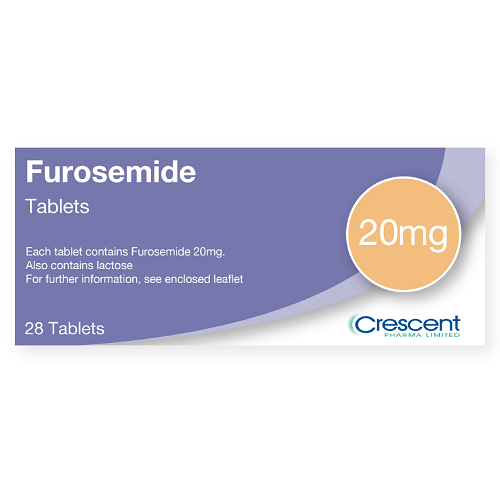
| Medication Name | Furosemide |
|---|---|
| Main Component | Furosemide |
| Indication Area | Edema (fluid retention), including swelling due to heart failure, liver, or kidney disease |
| Strength Variations | 20 mg, 40 mg, 80 mg tablets; oral solution; injectable form |
| How Fast It Acts | Begins within 30–60 minutes orally; 5 minutes intravenously |
| Effect Duration | 6–8 hours (oral); up to 2 hours (IV) |
| Administration Pattern | Typically once or twice daily as prescribed |
| Prescription Status | Prescription required in the United States |
| Estimated Price Range (USA) | Approximately $10–$30 per 30 tablets (generic); varies by pharmacy |
Furosemide: Complete Guidance for Edema Management in the United States
Furosemide is a prescription diuretic designed to help control excess fluid buildup, known as edema, often caused by heart, liver, or kidney problems. Approved for use in the United States, it is widely available through pharmacies in several dosage forms. This guide leads you from understanding the underlying issue to deciding if Furosemide is the right solution, with practical steps for purchase and safe use.
Why Edema Happens—And Why You’re Not Alone
Edema is more common than most people realize and can be both distressing and disruptive to daily life. According to the Centers for Disease Control and Prevention (CDC), millions of adults in the United States experience swelling due to underlying heart, kidney, or liver conditions each year (CDC, 2022). The National Heart, Lung, and Blood Institute notes that edema can arise from various causes—ranging from heart failure and chronic kidney disease to certain medications and prolonged inactivity. Recognizing and addressing edema is a shared challenge, not a personal failing, and effective treatments are available.
How Furosemide Directly Targets Fluid Retention
Furosemide works by prompting the kidneys to eliminate excess salt and water from the body—a process called diuresis. The medication acts on a specific part of the kidney’s filtering system (the loop of Henle), blocking sodium and chloride reabsorption. In simple terms: it “unlocks” the signal that tells your body to hold onto fluid, leading to increased urination and, as a result, reduced swelling.
For the patient, this typically means:
- Noticeable reduction in swelling—especially in the legs, ankles, or abdomen, often within a few hours of the first dose.
- Improved breathing and comfort—for those with heart or lung congestion, as fluid is cleared from tissues.
- Weight loss due to water—not fat, but excess fluid leaving the body, sometimes measurable within a day or two.
The speed and degree of relief depend on the cause of the edema and individual kidney function. Effects are usually strongest within a few hours and may require ongoing dosing to maintain fluid balance.
Does Furosemide Suit Your Situation? – Matching Scenarios to Solutions
| Your Situation | Is Furosemide Appropriate? | Why or Why Not |
|---|---|---|
| Diagnosed with heart failure and experiencing swelling in legs/ankles | Yes | Furosemide is often prescribed first-line to reduce fluid overload in heart failure and is proven to provide rapid relief. |
| Have chronic kidney disease and doctor recommends a “water pill” | Usually yes, with caution | Furosemide is commonly used, but kidney function must be monitored closely; dosing may need adjustment. |
| Edema due to prolonged standing or minor injury, no serious health issues | No | Lifestyle changes (elevation, movement) or milder diuretics may be enough; Furosemide is reserved for more serious edema. |
| History of sulfa drug allergy | Potentially unsuitable | Furosemide contains a sulfonamide group; alternatives may be recommended to avoid allergic reaction. |
| Seeking rapid weight loss for non-medical reasons | No | Furosemide removes water, not fat, and misuse for weight loss can be dangerous. |
If you recognize yourself in any of these scenarios, or are unsure, a healthcare provider can clarify whether Furosemide is your best option or if another approach is safer or more effective.
Using Furosemide in Daily Life: What to Expect and What to Watch For
When prescribed Furosemide, your experience will vary based on dose, form (tablet, liquid, injection), and underlying health. Here’s what to expect and how to handle common situations:
- Taking Furosemide: Swallow tablets with water, usually in the morning to avoid nighttime trips to the bathroom. If a second dose is needed, take it at least 6 hours before bedtime.
- With or without food: Food does not significantly affect absorption, but taking with food may reduce stomach upset.
- If you miss a dose: Take it as soon as you remember, unless it’s close to your next dose—then skip and resume your regular schedule. Do not double up doses.
- If it seems not to work: Contact your doctor if swelling does not improve or worsens after a few days. Dose adjustments or alternative treatments may be needed.
- Normal effects: Increased urination (especially in the first several hours), mild thirst, and possible lightheadedness if you stand up quickly.
- What requires attention: Severe muscle cramps, fainting, rapid heartbeat, confusion, or signs of dehydration (dry mouth, extreme thirst). These warrant prompt medical advice.
Patients should keep regular appointments for blood tests to monitor electrolytes and kidney function. Notify your doctor if you experience symptoms outside the expected range, and avoid over-the-counter medications or supplements that can alter fluid or potassium levels without consultation.
Contraindications: When Furosemide Should Not Be Used
Furosemide is not suitable for everyone. Below are key circumstances where it is contraindicated, with explanations:
- Severe electrolyte imbalance: Furosemide increases loss of sodium, potassium, and other minerals. If you already have dangerously low potassium or sodium, taking it can trigger arrhythmias or neurological symptoms.
- Allergy to Furosemide or sulfonamides: Because of its chemical structure, those with a history of sulfa drug allergies may have a higher risk of reactions such as rash or, rarely, severe allergic response.
- Anuria (complete inability to urinate): If the kidneys are not producing urine, Furosemide cannot work and may worsen kidney injury.
- Hepatic coma or severe liver dysfunction: May precipitate dangerous shifts in fluid and electrolytes, worsening mental status changes.
Always discuss your full medical history with your healthcare provider before starting Furosemide. In some cases, the medication can be used under close monitoring with dose adjustments, but in others, alternatives are safer.
Possible Side Effects and What They Mean
Most people tolerate Furosemide well, especially when monitored. Still, some reactions occur more often than others:
- Common and usually mild: Frequent urination, mild dizziness, thirst, headache. These often resolve as your body adjusts.
- Occasional but notable: Muscle cramps, low blood pressure (especially when standing), increased blood sugar or uric acid, ringing in the ears (especially at high doses).
- Rare but serious: Hearing loss (with very high or rapid IV doses), severe dehydration, confusion, irregular heartbeat.
If you notice confusion, severe weakness, persistent vomiting, or very irregular pulse, seek urgent care. In the United States, the Poison Help line is available at 1-800-222-1222 for immediate guidance on medication reactions or potential overdose.
With overdose, symptoms might include profound weakness, extreme thirst, rapid or irregular heartbeat, or collapse. Immediate medical attention is required if overdose is suspected.
Medication Interactions: What Else Affects Furosemide?
Furosemide can interact with a range of other drugs, sometimes increasing the risk of side effects or reducing effectiveness. Important interactions include:
- Other diuretics: Combined use can raise the risk of dehydration and mineral imbalances.
- Blood pressure medications: Effects may be amplified, leading to low blood pressure or fainting.
- NSAIDs (like ibuprofen): May blunt Furosemide’s diuretic effect and strain the kidneys.
- Digoxin or lithium: Blood levels can rise to dangerous levels if Furosemide alters body chemistry.
- Certain antibiotics (aminoglycosides): Risk of hearing damage may increase.
Always provide your doctor with a complete list of all medicines, vitamins, and supplements you are taking. If in doubt, check with a pharmacist or doctor before starting or stopping any medication.
How Furosemide Compares to Other Options
| Medication / Therapy | When Preferred | Main Limitations |
|---|---|---|
| Furosemide | First-line for rapid fluid removal in heart, kidney, or liver-related edema; effective for acute swelling episodes | Can cause electrolyte loss, requires monitoring; not for mild, transient swelling |
| Hydrochlorothiazide (HCTZ) | Mild or moderate edema, especially due to hypertension | Less potent than Furosemide; slow onset; not as effective in advanced kidney disease |
| Spironolactone | Edema with low potassium, cirrhosis, or certain heart conditions | Acts more slowly; can raise potassium; specific side effects (breast tenderness, menstrual changes) |
| Non-drug options | Mild swelling from long standing, pregnancy, or minor injuries | Slow to work; may not suffice for serious medical edema |
Furosemide is highly effective in most cases of significant fluid overload, especially when rapid reduction is needed. However, for milder or chronic cases, or when certain health risks exist, alternatives may be better suited. Your clinician will weigh these factors to individualize therapy. Furosemide does not replace management of the underlying disease.
What You Will Actually Pay: Furosemide Access in the United States
| Cost Item | Amount (USD) | Context |
|---|---|---|
| Doctor visit (in-person) | $100–$250 | Required for initial prescription, varies by location and insurance |
| Telemedicine consultation | $50–$100 | Common for prescription renewals, sometimes covered by insurance |
| Prescription fee | $0–$15 | Some clinics charge for writing the script |
| Furosemide tablets (30 count, generic) | $10–$30 | Actual retail price at most U.S. pharmacies |
| Home delivery (optional) | $5–$15 | Varies by pharmacy and speed |
| Total cost | $65–$410 | From telemedicine + generic + delivery to full in-person clinic setup |
Furosemide is widely available as a generic, which keeps costs lower than many branded medications. Insurance coverage varies—some plans cover all costs minus a small copay, while uninsured patients pay the full price. Online pharmacies and telemedicine options are increasingly common but still require a valid prescription under U.S. law, as enforced by the Food and Drug Administration (FDA). Purchasing without a prescription is not legally sanctioned, even if certain online sellers claim otherwise.
Last Checks: What Else Might Hold You Back?
Even after understanding the science, safety, and costs, people often hesitate due to concerns about long-term use or sudden health changes. Furosemide can be used safely over months or years if medical monitoring is maintained, but dose or drug changes may become necessary if your condition evolves. If you move between health systems or travel, carry your prescription details and a current medication list to avoid interruptions or errors. Finally, discuss any new or unfamiliar symptoms with your healthcare provider rather than adjusting or stopping Furosemide on your own.